Building demolition and dismantling services play an important role in preparing structures and spaces for new construction opportunities. A well-organized removal process supports safe operations, efficient material handling, and smooth transitions between project stages. Careful planning helps create a productive foundation for future development.
Strategic Planning Creates Smooth Progress
Successful demolition starts with understanding the structure and preparing a clear sequence of activities. Detailed planning allows teams to coordinate resources, organize work areas, and maintain steady progress throughout the project.
- Structural conditions can be reviewed before removal begins.
- Work stages can be arranged in a logical order.
- Access routes can be prepared for efficient movement.
- Equipment requirements can be identified early.
- Safety procedures can be included in project planning.
Controlled Dismantling Improves Efficiency
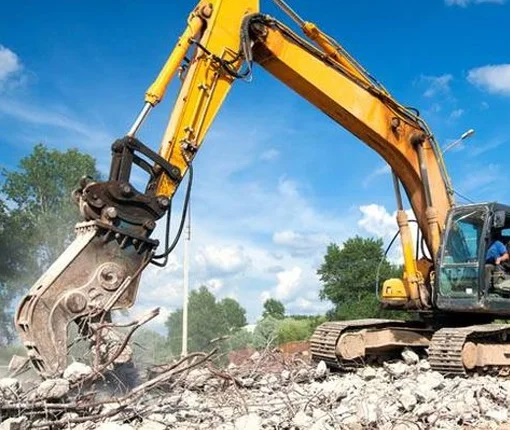
Dismantling structures systematically allows individual sections to be removed with greater control. Organized techniques help maintain a tidy work environment while supporting efficient progress toward site preparation.
- Sections can be removed progressively.
- Materials can be handled carefully during removal.
- Work zones can remain clearly organized.
- Debris movement can be coordinated effectively.
- Teams can maintain consistent project momentum.
Professional Services Support Better Coordination
Experienced teams can bring valuable knowledge to demolition and dismantling activities. Their practical approach helps coordinate people, equipment, materials, and schedules while keeping project objectives clearly defined. Services represented by บริษัท บาวคอน can highlight the importance of combining structured planning with efficient demolition practices.
- Tasks can be assigned according to project requirements.
- Equipment can be selected for specific activities.
- Work sequences can be monitored consistently.
- Communication can support better team coordination.
- Progress can be reviewed throughout each stage.
Organized Material Handling Adds Value
Demolition can involve a variety of materials that require careful sorting and movement. Efficient handling contributes to cleaner work areas and makes the transition toward subsequent construction activities more convenient.
- Materials can be separated according to type.
- Reusable components can be identified during dismantling.
- Debris can be collected in designated areas.
- Removal pathways can be kept accessible.
- Cleared spaces can support upcoming activities.
Safety Practices Strengthen Project Confidence
Safety-focused procedures help create an orderly environment throughout demolition work. Consistent preparation, protective practices, and clear communication encourage responsible operations and support reliable project progress.
- Protective equipment can improve worker readiness.
- Active areas can be clearly identified.
- Equipment inspections can support dependable operation.
- Teams can communicate before important tasks.
- Work progress can be reviewed regularly.
Efficient Transitions Prepare Future Construction
Once demolition and dismantling are completed, the prepared area can support renovation, rebuilding, expansion, or new construction. An efficient transition helps reduce unnecessary delays and provides a clearer starting point for the next phase.
- Cleared spaces can simplify construction preparation.
- Remaining materials can be managed systematically.
- Access areas can be organized for future work.
- Project teams can begin subsequent tasks confidently.
- Prepared areas can support productive development.
Conclusion
Building demolition and dismantling services encourage efficient construction transitions through careful planning, controlled removal, organized material management, and strong safety practices. When every stage is coordinated thoughtfully, projects can progress with greater clarity and confidence. A professional approach transforms structural removal into an effective step toward creating well-prepared spaces for future construction and development.
